In a world increasingly focused on sustainability, energy-saving home devices have become essential for eco-conscious homeowners. These innovative gadgets not only reduce energy consumption but also lower utility bills, making them a smart investment for anyone looking to enhance their living space. With advancements in technology, homeowners now have access to a variety of options that seamlessly integrate into their daily lives.
From smart thermostats that learn user preferences to energy-efficient appliances designed to minimize waste, these devices are transforming how households operate. As awareness of environmental issues grows, adopting energy-saving solutions is not just a trend—it’s a necessary step toward a greener future. Embracing these devices can lead to significant savings and a positive impact on the planet.
Overview of Energy-saving Home Devices
Energy-saving home devices play a crucial role in reducing overall energy consumption while enhancing household efficiency. These devices minimize waste and promote sustainable practices, which align with eco-conscious living.
Types of Energy-saving Devices
- Smart Thermostats
Smart thermostats automatically adjust home temperatures based on occupancy and preferences. They can reduce heating and cooling costs by up to 10-15% annually.
- Energy-efficient Appliances
Energy-efficient appliances qualify for ENERGY STAR ratings, indicating reduced energy usage. For instance, ENERGY STAR refrigerators use 15% less energy than standard models.
- LED Lighting
LED lights consume up to 75% less energy compared to incandescent bulbs. They also have a longer lifespan, lasting up to 25,000 hours, which significantly lowers replacement costs.
- Smart Power Strips
Smart power strips eliminate phantom energy draw by automatically shutting off devices not in use. This simple addition can reduce energy use by 5-10% in households.
- Solar Panels
Solar panels capture sunlight and convert it into electricity, drastically reducing dependence on the grid. Homeowners can save thousands on energy bills over the panels’ lifetime.
Benefits of Energy-saving Devices
- Cost Savings
Implementing energy-saving devices leads to lower utility bills. Homeowners often notice a 20-50% reduction in their monthly expenses after making these changes.
- Environmental Impact
Using these devices contributes to less greenhouse gas emissions, fostering a healthier planet. Each energy-efficient appliance can prevent up to 1,000 pounds of CO2 emissions annually.
- Increased Home Value
Properties equipped with energy-efficient technology often appraise higher than those without. This added value attracts environmentally aware buyers.
Understanding and adopting energy-saving home devices not only leads to significant financial benefits but also furthers sustainability efforts for a better future.
Types of Energy-saving Home Devices
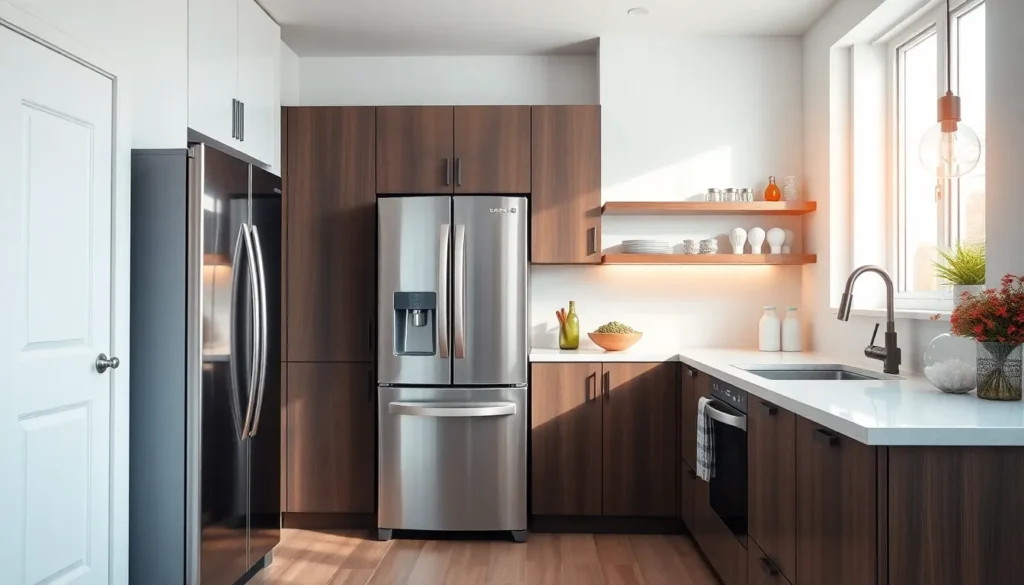
Energy-saving home devices play a crucial role in enhancing energy efficiency. Various types exist, each tailored to specific energy-saving needs.
Smart Thermostats
Smart thermostats adjust heating and cooling schedules based on user habits. They integrate with smartphones, allowing remote control for optimal temperature management. These devices can lower heating and cooling costs by 10-15% annually. Popular models include the Nest Learning Thermostat and Ecobee SmartThermostat, which feature geofencing and adaptive scheduling.
LED Lighting
LED lighting provides substantial energy savings compared to traditional incandescent bulbs. LEDs consume up to 75% less energy and have a lifespan of 15,000 to 50,000 hours. Common applications include home fixtures, landscape lighting, and smart bulbs linked to home automation systems. Brands like Philips and Cree offer a wide range of options for energy-efficient lighting solutions.
Energy-efficient Appliances
Energy-efficient appliances utilize advanced technologies to minimize electricity and water consumption. Appliances certified with the ENERGY STAR label can consume 10-50% less energy than standard models. Examples include refrigerators, washing machines, and dishwashers. This not only lowers utility bills but also contributes to an overall reduction in greenhouse gas emissions.
Home Automation Systems
Home automation systems connect various energy-saving devices for synchronized operation. These systems automate daily tasks, optimizing energy use. Features include programmable lighting, smart plugs, and integrated HVAC controls. Brands like Google Nest and Amazon Alexa offer platforms for creating customizable energy-saving scenarios.
Benefits of Using Energy-saving Home Devices
Energy-saving home devices offer numerous advantages for homeowners focused on reducing expenses and environmental impact. These benefits encompass cost savings, environmental improvements, and heightened comfort levels.
Cost Savings
Energy-saving home devices significantly lower utility bills. Smart thermostats optimize heating and cooling, cutting energy costs by 10-15% annually. ENERGY STAR appliances consume 10-50% less energy than standard models, leading to substantial savings over time. LED lighting uses up to 75% less energy than traditional bulbs and lasts longer, reducing replacement costs. Additionally, smart power strips eliminate phantom energy loss, further decreasing monthly expenses.
Environmental Impact
Energy-saving home devices contribute to a reduced carbon footprint. Lower energy consumption directly correlates with decreased greenhouse gas emissions. By utilizing solar panels, homeowners can harness renewable energy and drastically lessen reliance on fossil fuels. Transitioning to energy-efficient options not only conserves resources but also promotes sustainability, leading to better long-term environmental health.
Increased Comfort
Energy-saving devices enhance household comfort. Smart thermostats adapt to user habits, maintaining optimal temperatures and improving climate control. LED lighting offers customizable brightness, catering to various moods and activities. Home automation systems provide seamless control over devices, enabling synchronized settings for maximum convenience. Overall, a comfortable living environment is achieved while also prioritizing efficiency.
Factors to Consider When Choosing Devices
Several critical factors influence the selection of energy-saving home devices. These aspects ensure optimal integration, efficiency, and value over time.
Compatibility with Existing Systems
Compatibility with existing systems is vital for seamless integration. Homeowners should assess how devices interact with current setups such as HVAC systems, security systems, and smart home ecosystems. Devices like smart thermostats generally require compatibility with specific heating and cooling systems. Researching compatibility features before purchasing enhances user experience and ensures effective energy management.
Energy Ratings and Certifications
Energy ratings and certifications provide insights into device efficiency. Homeowners should look for ENERGY STAR ratings, which indicate products that meet strict energy efficiency criteria established by the U.S. Environmental Protection Agency. Additionally, devices with high ENERGY STAR ratings can offer savings of 10-50% on energy costs compared to standard alternatives. Investigating these ratings assists homeowners in making informed decisions, maximizing energy savings while contributing to environmental sustainability.
Budget and Long-term Savings
Budget and long-term savings considerations determine the financial feasibility of energy-saving devices. While initial costs may be higher for energy-efficient models, homeowners should analyze potential long-term savings on utility bills. For instance, an ENERGY STAR appliance might cost $100 more upfront but can lead to savings of $200 over five years. Evaluating the return on investment ensures that homeowners choose solutions aligning with their financial goals, ultimately achieving significant energy cost reductions.
Embracing energy-saving home devices is a smart choice for homeowners looking to enhance efficiency and reduce costs. These devices not only lead to significant savings on utility bills but also contribute to a more sustainable environment. By investing in smart thermostats, LED lighting, and ENERGY STAR appliances, homeowners can enjoy increased comfort while minimizing their carbon footprint.
As technology continues to advance, the range of available energy-saving solutions will only expand. Homeowners should consider compatibility and energy ratings to ensure they make informed choices. Ultimately, integrating these devices into everyday life supports both financial goals and environmental responsibility, paving the way for a greener future.