Moving can be an exciting adventure, but it often comes with a hefty environmental cost. From packing materials to transportation, traditional moving practices can leave a significant carbon footprint. However, with a little creativity and planning, anyone can make their move more sustainable.
Embracing eco-friendly moving tips not only helps protect the planet but can also save money and reduce stress. By choosing greener alternatives for packing, transportation, and disposal, individuals can enjoy a smoother transition while being kind to the Earth. Discovering practical ways to minimize waste and maximize efficiency makes the moving process not just a chore, but a chance to contribute positively to the environment.
Eco-Friendly Moving Tips
- Use Reusable Packing Materials
Utilize boxes made from recycled materials. Consider fabric bags, bins, or containers that can serve multiple purposes. Opt for biodegradable packing peanuts or paper instead of plastic.
- Minimize Waste
Assess belongings before packing. Donate unused items to local charities or sell them online. This reduces the volume of items needing transportation and prevents unnecessary waste.
- Choose Eco-Friendly Moving Companies
Research companies that prioritize sustainability. Some movers use fuel-efficient vehicles or offer carbon offset programs. Seek certifications that emphasize environmental responsibility.
- Pack Efficiently
Use the space in boxes wisely by stacking items tightly. This approach maximizes transport efficiency, leading to fewer trips and lower fuel consumption. Fill gaps with recycled paper instead of plastic.
- Plan for Disposal of Unwanted Items
Identify local recycling centers for hazardous materials, electronics, or unwanted furniture. Proper disposal helps keep these items out of landfills and promotes recycling.
- Opt for Green Transportation
Choose public transportation or carpooling when moving short distances. For longer relocations, look for transportation options that offset carbon emissions.
- Embrace Digital Solutions
Use digital moving checklists or inventory apps. The digital approach eliminates paper waste and helps streamline the moving process.
- Unpack with Intention
When settling in, prioritize eco-friendly modifications. Utilize energy-efficient appliances and LED lighting to further reduce the environmental impact in the new home.
- Encourage Help from Friends
Invite friends for a packing party, reducing the need for professional services. This method allows for resource sharing, creating a community atmosphere while being environmentally considerate.
Planning Your Eco-Friendly Move
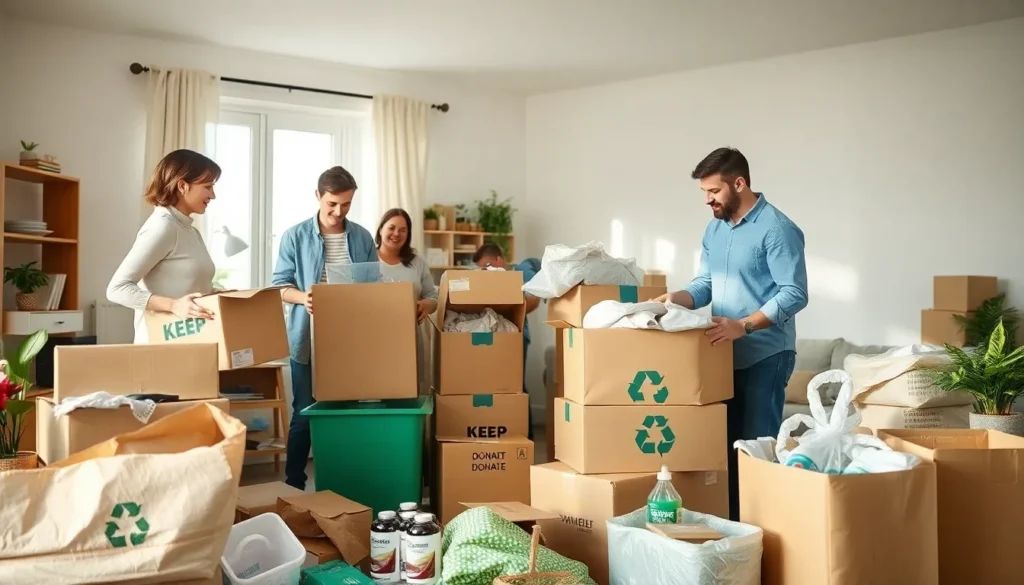
Planning for an eco-friendly move involves careful consideration of resources and strategies to minimize environmental impact. Early planning contributes to a smoother, more efficient process.
Assessing Your Needs
Assessing needs helps identify what items are essential and what can be donated or discarded.
- Evaluate belongings by categorizing them into keep, donate, sell, and recycle.
- Measure space in the new location to understand what furniture fits.
- Determine transportation requirements based on the volume of items and distance.
- Research local charities for donation options that enhance community support.
Creating a Sustainable Moving Plan
Creating a sustainable moving plan streamlines logistics and reduces waste.
- Schedule eco-friendly packing dates well in advance.
- Outline a packing strategy that emphasizes reusable packing materials.
- Research sustainable moving companies that prioritize fuel efficiency and low emissions.
- Estimate the number of trips needed based on efficient packing, minimizing unnecessary transport.
- Include a plan for recycling unwanted items, ensuring proper disposal methods are in place.
Packing Sustainably
Packing sustainably minimizes waste and reduces environmental impact during a move. By selecting eco-friendly materials and adopting waste-reduction strategies, individuals can significantly enhance their moving experience.
Choosing Eco-Friendly Packing Materials
Opt for biodegradable packing peanuts made from cornstarch, which dissolve in water and won’t contribute to landfill waste. Use recycled cardboard boxes instead of new ones to lessen deforestation and energy use. Consider fabric alternatives like cotton or linen for padding; these materials are reusable and biodegradable. Employ old newspapers or scrap paper for cushioning fragile items; this repurposes waste while protecting belongings. For wrapping furniture, opt for moving blankets that can be reused multiple times, reducing the need for plastic wraps.
Tips for Reducing Packing Waste
Donate usable items to local charities instead of discarding them. Consider hosting a garage sale for items that aren’t needed, allowing others to benefit from them while reducing waste. Use suitcases and bins for packing; these can serve as additional storage in the new space. Choose to rent moving boxes to eliminate single-use cardboard waste, as many rental services offer sturdy, reusable options. After unpacking, recycle or repurpose materials; for instance, turn packing paper into art projects or compost biodegradable materials.
Transportation Options
Transportation plays a crucial role in eco-friendly moving. Choosing the right methods and companies can significantly reduce the environmental impact of a move.
Using Green Moving Companies
Selecting moving companies that prioritize sustainability reduces carbon emissions. Many green moving companies utilize fuel-efficient vehicles and employ eco-conscious practices. These companies often provide reusable packing materials, utilize energy-efficient equipment, and implement waste reduction strategies. Research local options and look for certifications or partnerships with environmental organizations. Reading customer reviews can also provide insights into a company’s commitment to sustainability.
Renting Eco-Friendly Moving Vehicles
Renting eco-friendly moving vehicles can minimize emissions and promote sustainable moving practices. Opt for hybrid or electric trucks that offer improved fuel efficiency compared to traditional gas-powered moving vans. Many rental companies now feature greener options, making it easier for movers to choose environmentally friendly vehicles. Additionally, renting a vehicle that fits the load will limit the number of trips needed, effectively lowering fuel consumption and reducing overall emissions during transportation.
Unpacking and Settling In
Unpacking offers a chance to streamline belongings while embracing sustainability. By adopting organized practices, individuals can reduce clutter and promote eco-friendly habits in their new spaces.
Organizing Sustainably
Organizing sustainably starts with a systematic approach to unpacking.
- Use reusable bins: Choose plastic bins or cardboard boxes that are durable and recyclable. This minimizes waste from single-use boxes.
- Label clearly: Use biodegradable or recyclable labels to identify contents. Clear labeling prevents items from being misplaced and reduces future waste.
- Prioritize essentials: Unpack items based on necessity. Begin with essentials like kitchenware and bedding, reducing the need for fast purchases that could lead to waste.
- Repurpose boxes: After unpacking, consider repurposing boxes as storage solutions or for other uses around the home, maintaining sustainability.
- Create designated zones: Set up dedicated areas for each category of belongings, like books, clothes, or home decor. This eases future organizing and reduces clutter.
Donating Unwanted Items
Donating unwanted items contributes to sustainability while helping others.
- Assess belongings: Evaluate items as they’re unpacked, keeping only those that serve a purpose or bring joy. This prevents unnecessary accumulation.
- Identify local charities: Research local charities that accept household items. Many organizations welcome clothing, furniture, and household goods, fostering community support.
- Schedule donation pickups: Coordinate with charities offering pickup services for larger items. This eliminates transportation obstacles and encourages quick decluttering.
- Use online platforms: Consider online marketplaces or charitable organizations where unwanted items can be sold or given away. This extends the life of items and reduces landfill waste.
- Host a swap party: Invite friends or neighbors to exchange items. This creative method promotes community bonding while ensuring that usable items find new homes.
Embracing eco-friendly moving practices not only contributes to a healthier planet but also enhances the overall moving experience. By making conscious choices about packing materials and transportation, individuals can significantly reduce their carbon footprint.
The journey doesn’t stop at moving day; unpacking with sustainability in mind fosters a long-term commitment to eco-friendly living. Incorporating these practices into the moving process creates a ripple effect, encouraging others to consider their environmental impact.
Ultimately, every small step taken toward greener moving contributes to a collective effort in preserving the environment for future generations. Adopting these tips can transform an often stressful experience into an opportunity for positive change.